
By Eamonn Ryan
Transnet Rail Infrastructure Manager (Trim) has issued a new round of siding lease requests for proposals (RFPs), covering nine rail siding facilities across South Africa’s eastern and central regions.
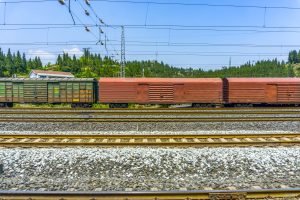
The move represents a further step in the company’s open-market reform programme, aimed at unlocking underutilised rail infrastructure and broadening access to strategically located siding facilities.
This latest release follows an earlier batch of RFPs that included three siding sites in the same regions, signalling a phased but deliberate expansion of private sector participation in rail operations.
According to Trim, bidders will be required to commit to comprehensive infrastructure upgrades designed to improve operational efficiency and enable seamless integration between road and rail. These upgrades may include rail-line refurbishment, enhanced loading and handling infrastructure, improved drainage systems, as well as upgraded lighting, security, fencing and access roads.
Successful applicants will be granted leases of at least 10 years, with clearly defined performance and investment obligations over the lease period. Operators will also need to demonstrate measurable improvements in turnaround times and overall logistics performance.
The commercial model is based on market-related rental structures, intended to ensure fair value while safeguarding the long-term sustainability of the assets.
Trim chief executive Moshe Motlohi said the initiative reinforces the organisation’s commitment to transparent, market-driven access to critical rail infrastructure. “By enabling private sector participation in siding operations, we are advancing a more efficient, competitive and integrated freight logistics system for South Africa,” he said.
The programme aligns with the National Rail Policy (2022) and the Freight Logistics Roadmap (2023), both of which emphasise the importance of rail reform in improving the country’s logistics performance. Trim’s approach seeks to commercialise rail assets in a responsible and transparent manner, while maintaining high standards of safety, compliance and network integrity.
The bid process will follow a regulated, market-based framework, with submissions closing on 28 May 2026.
Implications for the cold chain
While the announcement is framed around general freight logistics, its implications for the cold chain could be significant.
Firstly, improved access to rail sidings opens the door for greater use of rail in temperature-controlled transport. Historically, South Africa’s cold chain – particularly for perishable goods such as fresh produce, meat and pharmaceuticals – has been heavily reliant on road transport due to reliability concerns within the rail network. If private operators successfully upgrade siding infrastructure and improve turnaround times, rail could become a more viable option for long-haul refrigerated freight.
Secondly, the requirement for infrastructure upgrades presents an opportunity to incorporate cold chain-specific capabilities at siding level. This could include refrigerated loading zones, plug-in points for reefer containers, and improved handling systems that minimise temperature excursions during transfer between road and rail.
Thirdly, better road-to-rail integration could reduce congestion and delays, which are critical risk factors in maintaining product integrity. Faster, more predictable transit times directly translate into improved shelf life for perishable goods and reduced spoilage rates.
There are also potential cost benefits. Rail, once reliable, typically offers lower per-tonne transport costs over long distances compared to road. For cold chain operators, this could improve margins – particularly in export-driven sectors such as fruit and seafood, where logistics costs are a major competitiveness factor.
However, these benefits are not guaranteed. The cold chain is highly sensitive to disruption, and any inconsistency in rail service – delays, power interruptions or inadequate handling – could undermine product quality. The success of this initiative for cold chain applications will therefore depend on the extent to which private operators prioritise reliability, temperature control infrastructure and specialised handling processes.
In summary, Trim’s siding lease programme has the potential to reshape aspects of South Africa’s cold chain by enabling a shift towards more integrated, rail-supported logistics. If executed effectively, it could enhance efficiency, reduce costs and improve the agility of temperature-controlled supply chains.
Freepik.com