
By Eamonn Ryan
For South Africa’s export-driven cold chain, maintaining product quality doesn’t end when a refrigerated container leaves the port. Fresh produce, meat, pharmaceuticals and other temperature-sensitive cargo often spend weeks at sea, making continuous visibility into container conditions increasingly important. As global shipping lines invest in smarter refrigerated container technology, exporters stand to benefit from faster access to operational data, earlier warning of potential issues and improved confidence that products are being transported within specification.
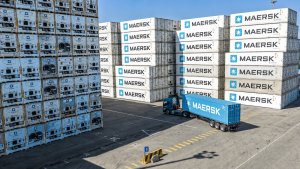
Supplied by Maersk
One of the latest developments in this area is the rollout of an upgraded connectivity platform across a major global refrigerated container fleet, designed to improve the way reefer units communicate operational data throughout a voyage.
More connected refrigerated containers
Around 30% of the refrigerated container fleet has already been equipped with the next-generation Internet of Things (IoT) platform, with the remaining containers scheduled to receive the upgrade as the rollout continues.
The new system enables refrigerated containers to transmit operating data more frequently and more reliably throughout a shipment. This provides greater visibility of critical operating conditions, including temperature performance, allowing potential problems to be identified sooner rather than only becoming apparent when cargo reaches its destination.
For exporters handling perishable products, this enhanced monitoring capability offers another layer of assurance that cargo remains within required conditions during transport.
Supporting SA exporters
South Africa relies heavily on refrigerated shipping to serve international markets for citrus, grapes, deciduous fruit, meat, seafood and pharmaceutical products. These export sectors depend on maintaining an uninterrupted cold chain from packhouse to destination.
Greater visibility into container performance allows logistics teams to monitor shipments more closely and respond more quickly if operating conditions begin to drift outside acceptable limits. Earlier detection can help reduce the risk of product losses while improving confidence throughout the supply chain.
The enhanced connectivity also supports predictive maintenance of refrigerated equipment. By identifying potential equipment issues before they develop into failures, shipping lines can reduce the likelihood of refrigeration breakdowns during transit and improve fleet reliability.
Part of a broader digital shift
The upgrade forms part of a wider trend towards digitalisation in global cold chain logistics. As sensors, connectivity and data analytics become more sophisticated, refrigerated shipping is evolving from periodic equipment monitoring to near real-time operational visibility.
For South African exporters competing in demanding international markets, these advances have the potential to strengthen supply chain transparency, improve cargo security and support more resilient export operations as global cold chains become increasingly data-driven.