
By Eamonn Ryan
For cold chain operators, the structural reforms embedded in the National Rail Master Plan may be just as significant as the infrastructure investment itself.
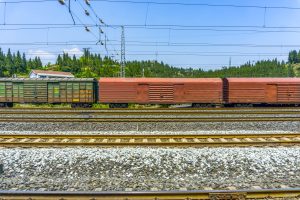
The opening of the rail network to private operators and the introduction of concessioning models could enable specialised, temperature-controlled logistics solutions to emerge on rail for the first time at scale in South Africa. This creates opportunities for integrated cold chain services – linking packhouses, refrigerated storage and ports – while also demanding new levels of co-ordination, standards compliance and investment from industry players.
Beyond its R1.9-trillion price tag, South Africa’s National Rail Master Plan (NRMP) represents a structural reset of the country’s rail sector – one that hinges on institutional reform, private sector participation and a shift in how infrastructure is planned and operated.
Central to the plan is a ‘brownfield-first’ strategy, aimed at extracting maximum value from existing infrastructure before embarking on costly expansions.
Transport minister Barbara Creecy said the approach prioritises upgrading and optimising current rail assets, complemented by targeted greenfield developments where these are economically justified and aligned with global technological trends. “It is not about reinventing the past. It is about building a resilient, adaptable and scalable rail system that supports broader economic and social objectives,” she said.
A sector in transition
For state-owned logistics company Transnet, the master plan arrives at a critical moment. CEO Michelle Phillips described it as a long-overdue framework that brings coherence to a fragmented system.
“For many years, Transnet has carried the responsibility of maintaining and expanding rail infrastructure without the benefit of an integrated national plan. This has resulted in misaligned expectations and increasing pressure on the balance sheet,” she said.
The reforms currently under way at Transnet are closely aligned with the objectives of the NRMP. These include separating infrastructure management from train operations and progressively opening the network to third-party operators – a move intended to increase competition and efficiency. Phillips said these changes should reduce uncertainty across the logistics sector and create a more stable environment for long-term investment.
Private sector role comes into focus
A key pillar of the master plan is the expanded role of private capital and expertise. Government has made it clear that public funding alone will not be sufficient to deliver the required upgrades and expansions. Business leaders have signalled willingness to participate, but stress that implementation – rather than planning – will be the true test of success.
The success of the NRMP will depend not only on funding, but also on execution capacity, regulatory clarity and sustained collaboration between government, state-owned entities and industry.
Mechanisms such as concessioning, outsourcing and rolling stock leasing are expected to play a central role in enabling private participation, while the state retains ownership of core infrastructure.
If successfully implemented, the plan could mark a turning point for South Africa’s logistics system – restoring rail’s competitiveness and reducing reliance on road transport.
Stakeholder consultations on the draft plan will continue over the next two quarters, with cabinet approval targeted before the end of the year – a critical milestone in moving the strategy from blueprint to reality.
4054 | Freepik.com