
By Eamonn Ryan
Gauteng is moving ahead with an ambitious smart mobility programme that aims to improve the movement of both freight and passengers by digitally connecting transport systems, reducing congestion and providing real-time visibility across the province’s transport network.
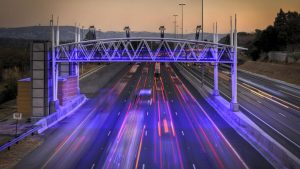
Gauteng Transport Authority
The initiative is being driven by the Gauteng Transport Authority (GTA) as part of its broader Mobility-as-a-Service (MaaS) programme, which seeks to integrate transport operations, services and data into a single digital ecosystem.
According to Gauteng Transport Authority Acting General Manager for Intelligent Transport Systems, Nyiko Nkuna, the province’s fragmented transport network has contributed to congestion, operational inefficiencies and delays in the movement of goods and services.
“The desired state in the province is to have an integrated, efficient, accessible, reliable, sustainable and affordable mobility system,” Nkuna said.
At the heart of the programme is the planned Smart Mobility Centre, which will monitor transport activity in real time, coordinate responses to incidents and improve collaboration between the various transport operators that use Gauteng’s road network, including freight companies.
The project also includes the development of a centralised transport data platform that will consolidate information on transport routes, operators and services. By creating a single, integrated source of transport information, the platform is expected to support better planning, more effective operational management and improved long-term investment decisions.
In addition, the province is developing an account-based ticketing system that will allow commuters to use a single payment platform across multiple public transport modes, simplifying travel and supporting greater integration between services.
Nkuna said the overall Mobility-as-a-Service programme is approximately 29% complete. Work is progressing on the Smart Mobility Centre, integrated transport data platform, passenger information channels and the account-based ticketing system. However, funding constraints, stakeholder alignment and changes to the project’s scope remain among the key challenges affecting implementation.
For the cold chain and logistics sector, the initiative could deliver significant operational benefits. Improved traffic monitoring and faster incident response can help reduce transport delays that threaten temperature-sensitive cargo, while better data sharing enables more accurate route planning and delivery scheduling. For refrigerated transport operators moving fresh produce, meat, pharmaceuticals and other perishable products, greater predictability on Gauteng’s road network can improve delivery reliability, reduce fuel consumption and refrigeration costs, and help preserve product quality throughout the distribution chain.
As supply chains become increasingly data-driven, initiatives that integrate transport information and improve network visibility are expected to play an increasingly important role in supporting efficient freight movement and strengthening South Africa’s logistics competitiveness.