
By Eamonn Ryan
When most people think about climate change and greenhouse gas emissions, images of power plants, vehicles and industrial smokestacks come to mind.
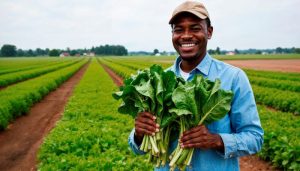
Rarely do they consider that the food they eat – or fail to eat – plays an equally significant role. In fact, approximately 10% of global greenhouse gas emissions are linked to food loss and waste, a startling statistic that underscores a serious ethical and environmental issue.
This was the opening discussion point in a recent episode of the Healthy Spaces podcast from Trane Technologies. Host Dominique Silva, marketing leader at Trane Technologies, spoke with two industry leaders about how innovation in the cold chain is helping reduce food loss while decarbonising transport. The panel included Claudio Zanframundo, president of Thermo King EMEA, and Renier Du Preez, CEO of Digistics and Advisory Council member of the Global Cold Chain Alliance for Africa. Together, they explored the intersection of sustainability, logistics and operational innovation.
Zanframundo emphasised that food loss is not simply a business inefficiency – it is a profound ethical and social challenge. “If one-third of the global population is suffering from food insecurity, and yet huge quantities of food are lost or wasted, this is something that requires urgent action,” he said. Around 10% of edible food waste occurs during distribution, meaning that the stage at which food is transported from producer to retailer is critical. Beyond environmental costs, this represents a lost opportunity to feed millions who lack consistent access to nutritious meals.
Du Preez framed the discussion in an African context. For many countries on the continent, unreliable infrastructure, frequent electricity shortages and gaps in cold storage systems exacerbate food loss. He explained that in South Africa, for example, operational challenges like grid instability make it difficult for food distributors to maintain consistent cold storage, highlighting the need for innovative approaches.
The podcast emphasised that the cold chain – the temperature-controlled system for storing and transporting food – is central to solving this dual challenge of reducing emissions and ensuring food security. Zanframundo noted that wasted food doubles the carbon footprint: for every ton of produce lost, more energy, water and transport resources are required to replace it, driving additional CO₂ emissions. Therefore, protecting food during transportation is both an environmental and ethical responsibility.
The conversation highlighted that sustainability is more than a corporate trend; it is an operational imperative. The cold chain is no longer a back-end logistics function – it is a frontline tool for combating climate change and food insecurity. By addressing inefficiencies in distribution and implementing effective temperature control and monitoring, companies can significantly reduce waste while supporting a more sustainable global food system.
For South African businesses and policymakers, the takeaway is clear: investing in cold chain infrastructure is not optional. It is a moral, environmental and economic responsibility that directly impacts the lives of millions and the health of the planet.