
By Eamonn Ryan
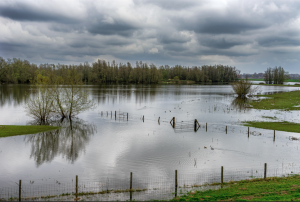
Last week’s severe storms across the Eastern and Western Cape have not only disrupted the start of South Africa’s citrus export season, but also placed significant strain on the country’s cold chain and export logistics network, with flooding in the Gamtoos Valley expected to affect up to 12% of the local crop.
Wirestock | Magnific
The impact comes at a particularly sensitive time in the export cycle, as packhouses, refrigerated transport operators, cold stores and port logistics providers were preparing for the seasonal ramp-up in citrus volumes destined for international markets.
“This is a significant setback, particularly as the citrus season was just beginning to ramp up. While it is still too early to determine the full impact on the crop, there has clearly been damage to infrastructure,” said Citrus Growers’ Association of Southern Africa CEO Boitshoko Ntshabele. He welcomed the declaration of a state of disaster, which will enable co-ordinated support from all three spheres of government in response to the crisis.
The flooding is expected to be felt most acutely in the soft citrus category, particularly early mandarins, where harvesting had accelerated just before the rains arrived. Any interruption during this narrow harvesting and export window can have a cascading effect throughout the cold chain, delaying fruit movement from orchards to packhouses, refrigerated storage facilities and ultimately export terminals.
“The disruption caused by the floods in the two provinces is expected to be felt most acutely in the soft citrus category as early mandarin harvesting was ramping up when the rains arrived. The extent of this impact to the category is still being assessed,” Ntshabele explained.
Beyond orchard damage, the flooding has also highlighted the vulnerability of supporting cold chain infrastructure. Washed-out access roads, saturated orchards and damaged irrigation systems can delay harvesting schedules and reduce throughput at packing facilities, creating downstream scheduling challenges for refrigerated transport fleets, container depots and port cold stores.
Ntshabele noted that the disaster has arrived during an already difficult trading period for growers and exporters, who are contending with softer demand in key Middle Eastern markets alongside rising input, shipping and logistics costs.
“What had been shaping up as a strong season now requires high levels of adaptability and responsiveness.”
The most severely affected area appears to be the Kouga Municipality in the Eastern Cape, particularly the Gamtoos Valley around Patensie – one of South Africa’s important citrus production regions and a key contributor to early export volumes.
“Early indications suggest that orchards have been flooded, with some trees uprooted, and initial estimates indicate that around 10–12% of the Gamtoos Valley crop may be affected,” Ntshabele said.
The timing is especially unfortunate given South Africa’s recent achievement of becoming the world’s largest citrus exporter after shipping approximately 2.9 million tonnes of fruit during the 2025/26 season, narrowly overtaking Spain.
In the Western Cape, Citrusdal and the Boland also experienced heavy rainfall. However, despite delays, the region’s cold chain infrastructure appears to have remained comparatively resilient.
“In Citrusdal, the rainfall was reported to be significantly higher than previous flood events. However, the extent of the damage appears to be less severe, and key infrastructure, including main access routes, has largely remained operational. This has helped ensure that the season – while delayed here by approximately a week – can recover and confidence in supply remains intact,” Ntshabele said.
He added that preventative river management and flood mitigation work undertaken by the Western Cape government in recent years had helped reduce the severity of the damage.
For the broader cold chain sector, the flooding serves as another reminder of the growing importance of climate resilience in perishable logistics. Extreme weather events are increasingly influencing harvest timing, refrigerated transport planning, storage capacity utilisation and export scheduling – placing pressure on every link in the temperature-controlled supply chain.