
By Eamonn Ryan
South Africa’s agricultural sector is entering a period of heightened uncertainty. A potential El Niño event, combined with rising input costs linked to geopolitical tensions involving Iran, is creating a dual pressure on farmers. This is part two of a two-part series.
For the cold chain – responsible for preserving perishable goods from farm to consumer – these developments present both direct and indirect challenges.
Firstly, reduced agricultural output means lower volumes moving through cold storage and distribution systems. While this may seem like a temporary relief on capacity, it often leads to inefficiencies. Cold chain infrastructure is typically designed for steady throughput; underutilisation can increase per-unit costs, placing financial pressure on operators.
Secondly, drought conditions can compromise product quality. Heat stress and water shortages often result in smaller, more fragile produce with shorter shelf lives. This increases reliance on rapid cooling, precise temperature control, and efficient logistics – placing additional demands on cold chain systems.
Thirdly, rising energy costs – already exacerbated by fuel price increases – directly impact refrigeration and transport. Cold storage facilities and refrigerated vehicles are energy-intensive, and any spike in electricity or diesel prices erodes margins across the supply chain.
Finally, food price inflation, highlighted by Lesetja Kganyago, could alter consumer demand patterns. As prices rise, consumers may shift toward less perishable goods, reducing demand for fresh produce and further affecting cold chain volumes.
Preventative measures for farmers
In this challenging environment, proactive strategies can help farmers mitigate risk and support cold chain resilience:
- Invest in on-farm cooling and storage
Where feasible, farmers should consider pre-cooling facilities and short-term cold storage. Rapid removal of field heat can significantly extend shelf life, especially under drought-stressed conditions.
- Diversify crop selection
Shifting toward more drought-tolerant crops or varieties can reduce reliance on consistent rainfall. This not only stabilises yields but also ensures more predictable volumes entering the cold chain.
- Improve water management
Efficient irrigation systems, such as drip or precision irrigation, can maximise limited water resources. Even partial irrigation coverage can protect high-value crops destined for cold chain distribution.
- Strengthen logistics planning
Closer co-ordination with cold chain operators can reduce delays and minimise spoilage. This includes aligning harvest times with transport availability and ensuring quick transfer to refrigerated environments.
- Adopt energy-efficient technologies
Solar-powered refrigeration and energy-efficient cooling systems can help offset rising electricity and fuel costs, particularly in remote farming areas.
- Enhance forecasting and risk management
Using weather forecasting tools and climate data allows farmers to make informed planting and harvesting decisions. Crop insurance and forward contracts can also provide financial buffers against volatility.
A system under pressure
The convergence of climate risk and geopolitical disruption underscores the fragility of interconnected systems like agriculture and the cold chain. While the immediate concern is reduced output and rising prices, the longer-term challenge lies in adapting infrastructure and practices to a more volatile environment.
For South Africa, maintaining food security will depend not only on what is grown, but on how effectively it is stored, transported and preserved. The cold chain, often overlooked, will play a central role in navigating the months ahead.
Reference: Agbiz
Aleksandarlittlewolf | Freepik.com
Image: Harvest2.jpg
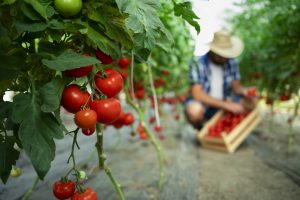
<caption> Crop insurance and forward contracts can also provide financial buffers against volatility.
<credit> Aleksandarlittlewolf | Freepik.com