
By Eamonn Ryan
The future of Africa’s food system isn’t in the hands of any single group. It requires joint commitment from government, private sector and farmers alike.
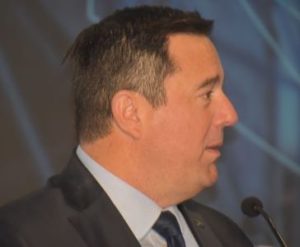
Steenhuisen concluded with a powerful call to action: “The cold chain is not just a side issue. It is the artery through which Africa’s food system flows.”
He urged government and industry to treat cold chain development as a national priority, not a niche concern. “This is no longer an agriculture problem – it’s a national resilience issue,” he said.
He called for:
- Strategic investment in cold chain infrastructure
- Better financing models for smallholders and co-operatives
- Industry-led innovation hubs and training
- Co-ordinated agricultural and energy policy reform
- Strengthened rural-urban connectivity through logistics
“The cold chain is where policy meets people,” Steenhuisen said. “If we strengthen it, we strengthen our food system, our economy and our society.”
He reiterated the vital role of public-private partnerships and international donors. Development banks, global trade alliances, technology providers, and NGOs must also join the effort. No single actor can shoulder this burden alone.
“We need a whole-of-society approach,” he said. “Not just from ministers and CEOs, but from communities, co-operatives, youth entrepreneurs, and development agencies.”
He urged leaders not to wait for crises before acting. “Prevention is always cheaper than emergency relief,” he said. “Build the system now, before it’s too late. Build it before another drought, another flood, another food price spike.”
Steenhuisen also pointed out the growing demand for local food systems. With better cold chains, communities could reduce reliance on imports, stabilise prices and create jobs locally. “This is also about sovereignty,” he said. “A strong cold chain means a strong nation.”
He ended on a hopeful and ambitious note:
“If we succeed, Africa will not only feed itself – Africa will feed the world. And it will do so with pride, with innovation, and with dignity.”