
By Eamonn Ryan
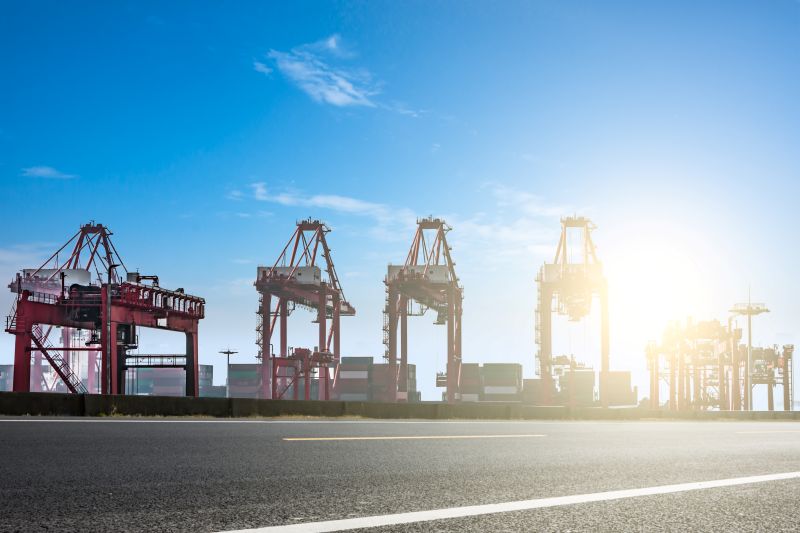
South Africa’s port system delivered improved performance across key freight categories in 2025, with container traffic, bulk commodities and automotive exports all showing notable year-on-year growth compared with recent historical trends.
Vehicle exports stood out as the strongest performer.
According to the first Cargo Movement Update (CMU) issued for 2026, container terminals processed 4 473 TEUs during 2025, representing a 3.2% increase on the previous year. Bulk cargo volumes rose even more sharply, reaching 221 million tonnes, up 4.4% year-on-year.
Automotive exports recorded the most pronounced growth, with 899 094 vehicles shipped through South African ports in 2025 – a 15% improvement compared with 2024.
The CMU notes that strong momentum in vehicle manufacturing translated into exceptional terminal performance. The Durban Auto Terminal, in particular, exceeded expectations by reaching its budgeted volumes well ahead of the financial year-end and regularly surpassing planned throughput targets.
Produced jointly by the South African Association of Freight Forwarders and Business Unity South Africa, the weekly CMU is released every Friday. While annual figures were positive, the update highlighted a short-term decline in container movements early in the new year.
TEU volumes dropped from 7 405 units handled in the first week of 2026 to 6 189 units in the second week of January. Adverse weather conditions were cited as the primary cause of the slowdown.
The report states that port activities across both eastern and western regions were “significantly affected by weather-related delays”, with KwaZulu-Natal experiencing knock-on effects as vessels were delayed at preceding ports.
From an operational capacity perspective, most terminals reported stable equipment availability during the first two weeks of the year. However, the CMU identified room for improvement in crane utilisation, noting instances where non-operational cranes were positioned at vacant berths.
On the global front, the update points to continued resilience in container volumes despite weak seasonal demand. Worldwide container throughput remains ahead of year-on-year expectations, even though freight rates are still well below 2025 levels.
The CMU adds that persistent structural overcapacity continues to limit pricing power in the shipping market. Early-2026 rate increases are attributed largely to short-term operational pressures and seasonal influences rather than a sustained recovery.
Regionally, sub-Saharan Africa remains a comparatively strong performer on the import side, while export volumes have softened. At an operational level, gradual improvements in Suez Canal transits, selective capacity management, and ongoing weather disruptions highlight the industry’s ongoing focus on resilience, diversification and risk mitigation as the year begins.
Source: Transnet Port Terminals