
By Eamonn Ryan
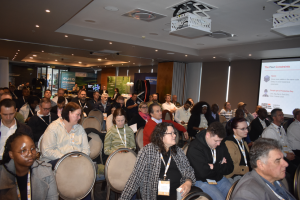
In the final part of her presentation, and especially during the Q&A, Perm Mthethwa of the Agricultural Research Council addressed some of the hard questions around Modified Atmosphere Packaging (MAP): environmental sustainability, plastic waste, and the balance between reduced food loss and increased material use.
© Cold Link Africa
Participants raised concerns about decarbonisation and the life-cycle impact of the plastics often used in MAP, which can be difficult to recycle and frequently end up in landfills. The question was straightforward yet complex: does the reduction in food loss achieved through MAP truly outweigh the upstream carbon footprint and downstream waste associated with plastic packaging?
Mthethwa’s view was nuanced. She suggested that in contexts with severe food insecurity and high post-harvest losses, the benefits of MAP – particularly in preserving valuable nutrition and income – may outweigh the environmental costs, at least in the current technological landscape. In settings like South Africa, where food insecurity is less extreme in some regions but still significant in others, the trade-off can feel ‘50/50’, highlighting the need for context-specific assessments.
The session also surfaced emerging innovations aimed at addressing these concerns:
- Biodegradable and recyclable packaging materials: Research and commercial trials are underway into recyclable MAP films and alternative materials (including bio-based options) designed to reduce long-term waste.
- Smart packaging and freshness indicators: Mthethwa pointed to future trends where colour-changing devices or chemicals inside packages can signal spoilage or compromised seals. These indicators could help retailers and consumers quickly assess product freshness, reduce unnecessary discards, and detect failures in the packaging system.
- Alternative post-harvest technologies: Contributions from other experts highlighted technologies such as hyperbaric cold control treatments (for example, container-scale modified atmosphere solutions like Right Locker), which modify not only gas composition but also pressure inside containers. These represent complementary approaches that share MAP’s goal of extended shelf life and reduced microbial activity.
Looking ahead, Mthethwa concluded that successful MAP implementation hinges on getting three fundamentals right: proper gas composition, suitable packaging materials, and reliable refrigeration. Despite cost and technical hurdles, MAP holds strong potential to reduce post-harvest losses, improve food security, and support more resilient supply chains, especially as sustainability-driven innovations mature.
As these technologies evolve, the critical challenge for practitioners, policymakers, and researchers will be to integrate MAP and related innovations into broader food systems in ways that are economically viable, environmentally responsible, and socially inclusive.